

Building Health Advocacy with Trusted Voices


Author: Munira Bangee
Date: February 04, 2026
This recap highlights faith-based health advocacy training and the practical tools clergy and lay leaders can use to drive policy impact. The Faith Health Alliance & Health Champions Advocacy Training opened on Wednesday with a warm welcome from Bishop Anthony B. McClin of The Sanctuary at Kingdom Square and Bishop J.L. Carter, Chair of the Faith Health Alliance and pastor of Ark Church. Orientation from Laura Lee Hall, PhD, and Chinnie Ukachukwu, MPH, set the tone: this wasn’t a lecture series—it was a working session to turn conviction into policy impact. Moses Boyd kicked off with a clear, practical introduction to health policy and advocacy, translating the “how a bill becomes law” arc into steps congregations can take right now.


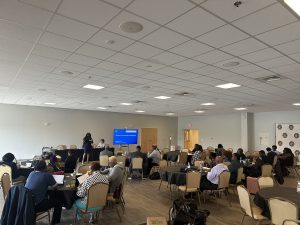
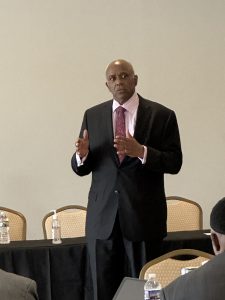
By late morning, the focus shifted to communications. **Adjoa Kyerematen, MS—NMQF’s Vice President of Communications & Public Affairs—**led a dynamic session on effective messaging, showing leaders how to frame issues for a five-minute lawmaker briefing, a Sunday announcement, or a short social video without losing accuracy or heart. After lunch, the program moved through urgent health equity priorities: Tom Boyer of the Diabetes Leadership Council walked participants from screening to medication and education access; Millicent Gorham, PhD (Hon), MBA, FAAN, connected obesity, equity, and advocacy; and NMQF President & CEO Gary Puckrein, PhD offered a new framework for health equity advocacy with a real-world application to the 340B program. Bishop Carter closed Day 1 by grounding 340B in Maryland’s on-the-ground reality, before Ukachukwu guided teams to start drafting their own advocacy plans—complete with goals, timelines, and roles—followed by a final discussion and adjournment.
Day 2 began with a brief overview from Hall, then moved into the vaccine environment—what’s changing, where misinformation persists, and how trusted messengers can make the difference. Hall was joined by Iyabode (Yabo) Beysolow, MD, MPH; Abby Bownas, MA; and Julian Ritchey, MBA (Sanofi) for a rich, pragmatic conversation on building vaccine confidence from the pulpit to the policymaker’s office. Later in the morning, Leslie Zuniga-Rivas, MPH addressed kidney disease and transplantation, highlighting the disparities that congregations see every week and the policy levers that can help. Over lunch, Breyana Williams, MPH, CHES brought the advocate’s perspective from Voices for Vaccines, and in the afternoon Bambi W. Gaddist, DrPH challenged the room to decide “where we go from here,” pushing participants to convert awareness into action.
The workshop closed with teams presenting their advocacy plans to peers and faculty—refining talking points, clarifying decision-maker targets, and stress-testing timelines. With next steps identified, attendees left with more than notes: they carried home tailored plans, templates for town halls and policymaker meetings, and a growing network of clergy and lay leaders committed to moving policy from paper to people. Across both days, one theme never wavered: trusted voices in faith and community networks are powerful drivers of change. Equipped with data, clear messages, and workable plans, these leaders are poised to advance health equity where it matter most.
Related articles



Sign Up for Email Updates
Join the 700,000+ people getting our email updates!